No oven? No problem. Learning how can I bake a cake without an oven sounds like a survival skill, but it’s actually a legit cooking technique with real history — people have been baking cakes over fires and on stovetops for centuries. Whether your oven is broken, you’re in a dorm, you’re camping, or you just don’t want to heat up the whole kitchen in July, there are several reliable ways to get a real, fluffy cake without ever touching an oven dial.
I’ll be honest: my first attempt was a disaster. I tried to “bake” a cake in a covered pot on high heat and ended up with a burnt bottom and raw middle. But once I understood the principle — you need gentle, even, indirect heat, the same thing an oven provides — the methods below started working beautifully. Here’s what actually works.
How Can I Bake a Cake Without an Oven? Four Methods That Work
1. The stovetop pot method (my favorite)
This is the most reliable oven-free method and my go-to. You’ll need a heavy-bottomed pot or Dutch oven with a tight-fitting lid — the heavier the better, since it distributes heat evenly. Place a small trivet, a ring of crumpled foil, or even a layer of salt (about an inch) on the bottom of the pot to lift your cake pan off the direct heat. This buffer is the whole trick: it turns harsh burner heat into the gentle ambient heat an oven would provide.
Grease and flour a cake pan that fits inside your pot, pour in your batter, and set the pan on the trivet. Cover the pot and cook on the lowest possible heat. Here’s the part that tests your patience: don’t lift the lid for at least 25–30 minutes. A standard 8-inch cake takes about 40–50 minutes on the stovetop. Test with a toothpick — if it comes out clean, you’re done.
2. The steamer method
If you have a large steamer or a wok with a steaming rack, steamed cake is a classic — this is how many Asian bakeries make their sponge cakes. Line your pan, pour in batter, and steam over simmering water for 30–40 minutes. Steamed cakes come out incredibly moist and tender, almost pudding-like. They won’t brown on top like an oven cake, but the texture is wonderful. A dusting of powdered sugar hides the pale top nicely.
3. The pressure cooker method (no whistle)
A stovetop pressure cooker works like the pot method but seals better. Remove the whistle/weight so no pressure builds — you’re using it as a heavy sealed pot, not as a pressure cooker. Add the salt or sand layer at the bottom (never water for this method), set your cake pan on a trivet, close the lid, and cook on medium-low for 35–45 minutes. The thick walls hold heat beautifully.
4. The microwave method (fastest, with caveats)
A microwave cake — often called mug cake for single servings — cooks in 1–2 minutes. It works, but manage your expectations: the texture is denser and a bit rubbery compared to real baking, and it dries out fast. For a full-size microwave cake, use a microwave-safe dish, cook at 70–80% power in short bursts, and let it rest a minute before checking. It’s better than no cake at all, but the stovetop methods give much better results.
Batter Tips for Oven-Free Baking
Not all cake recipes adapt equally. Here’s what I’ve learned:
- Choose forgiving recipes: oil-based cakes (like classic chocolate or carrot cake) handle stovetop baking better than delicate butter cakes, because oil keeps them moist under gentler heat.
- Don’t overfill the pan: fill it only halfway. Stovetop cakes rise a little less predictably, and overflow makes a mess you’ll regret.
- Reduce sugar slightly: sugar browns fast on direct-ish heat. Cutting sugar by a tablespoon or two helps prevent a burnt bottom.
- Room-temperature ingredients matter more here: cold batter in a stovetop setup cooks unevenly. Let eggs and milk warm up first.
- Grease thoroughly: without an oven’s even heat, sticking is more likely. Butter plus flour, or parchment on the bottom.
Temperature control is everything. If your cake is browning too fast on the bottom while the top stays raw, your heat is too high — turn it down and give it more time. Low and slow wins every time with stovetop baking. I keep my burner on the lowest setting that maintains a gentle warmth; if you can comfortably hold your hand near the pot’s side, you’re in the right zone.
Troubleshooting Your Stovetop Cake
Even with the right method, things can go sideways — here’s how to fix the most common problems. If the bottom burns while the top stays raw, your heat is too high and your heat buffer too thin. Turn the burner down, add a thicker layer of salt or a second trivet, and give the cake more time. Low and slow is the whole game here; there’s no shortcut.
If the cake sinks in the middle, you probably lifted the lid too early or the batter had too much leavening for the gentler heat. Next time, reduce the baking powder by about a quarter teaspoon and keep that lid shut for the full first 30 minutes. A sunken center isn’t a disaster anyway — fill it with whipped cream and berries and call it a trifle-style cake. I’ve served “failed” cakes this way and gotten compliments.
Dry or dense results usually mean overcooking. Stovetop cakes can go from perfect to dry in just a few minutes, so start checking with a toothpick at the 35-minute mark. Remember that the cake keeps cooking from residual heat after you take the pot off the burner, so pull it when the toothpick has just a few moist crumbs clinging to it, not when it’s bone dry.
Frosting and Finishing Without an Oven
Since stovetop cakes don’t brown on top, presentation needs a little help — which is honestly fun. A simple glaze made from powdered sugar and milk, poured over the warm cake, looks and tastes fantastic. Fresh berries, whipped cream (made with a hand whisk — arm workout included), or a dusting of cocoa powder all dress up a pale top beautifully.
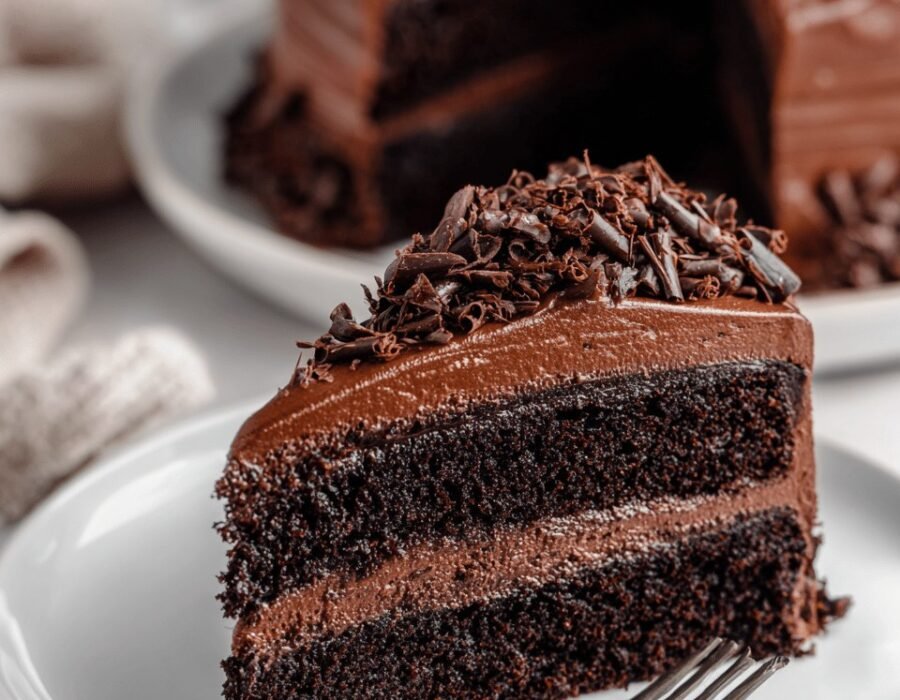
For chocolate cakes, a quick ganache is unbeatable: heat equal parts heavy cream and chocolate chips until melted and smooth, then pour over the cake. It sets into a glossy shell that looks completely professional. Nobody will guess this cake never saw an oven.
Once you’ve mastered the technique, there’s a whole world of stovetop baking to explore — including the classic problem of getting a crispy homemade pizza crust, which uses similar heat-management principles, and making a perfect omelet for your new low-and-slow stovetop skills. For the science of why cakes rise the way they do, the Wikipedia article on cake is a surprisingly good read.
So how can you bake a cake without an oven? Start with the heavy-pot method on your lowest burner setting, give it time, and don’t peek. Your first one might be a little lopsided — mine was — but by the second or third attempt you’ll be turning out cakes that rival anything from an oven. And there’s something deeply satisfying about pulling a real cake out of a pot on the stovetop.