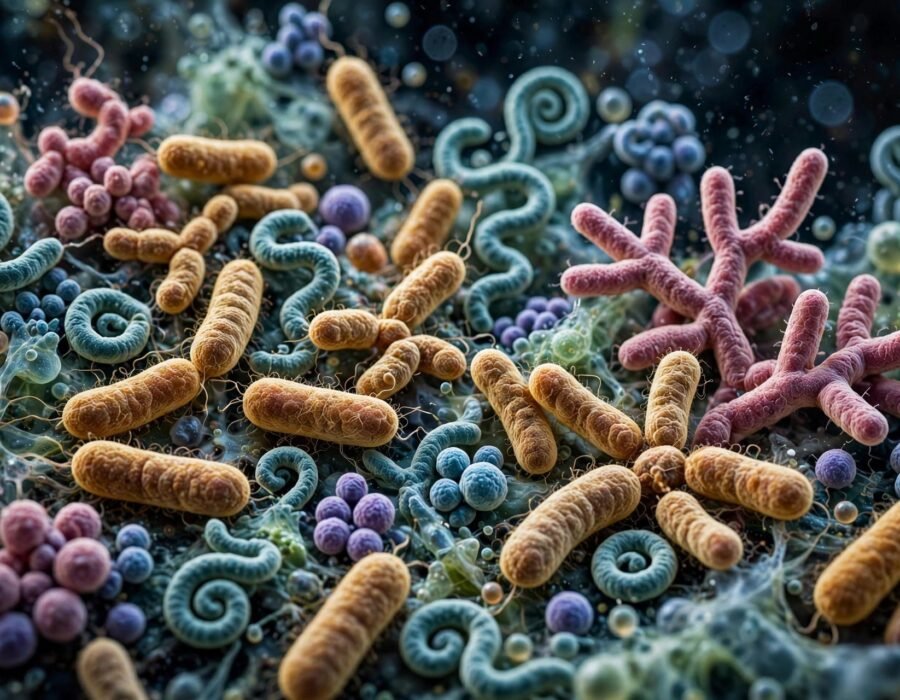
You are outnumbered in your own body. The trillions of bacteria, fungi, and viruses living in your gut — your gut microbiome — collectively outweigh your brain and contain 150 times more genes than your human genome. A decade ago, most doctors barely mentioned them; today, the microbiome is implicated in digestion, immunity, mental health, obesity, and diseases from diabetes to Parkinson’s. If you want to know what is the best way to understand the human gut microbiome basics in the US, start here: the essentials of your inner ecosystem, what it does, and how to care for it.
The gut microbiome is the community of microorganisms living in your digestive tract — mostly in the large intestine, mostly bacteria, numbering around 38 trillion. They are not passengers; they are partners in a symbiotic relationship refined over millions of years of co-evolution. You feed them fiber; they feed you vitamins, immune training, and chemical signals that reach your brain.
What the Microbiome Actually Does
Digestion is the obvious job: gut bacteria ferment fiber humans cannot digest, producing short-chain fatty acids (especially butyrate) that nourish the colon lining and regulate inflammation. They synthesize vitamins K and B12, help absorb minerals, and break down complex carbohydrates. Without them, you would starve on a diet you currently thrive on — germ-free mice must eat 30% more calories to maintain weight.
Immunity is the bigger story: roughly 70% of the immune system resides in gut-associated tissue, and the microbiome trains it — teaching immune cells to tolerate food and friendly microbes while attacking pathogens. This training begins at birth (vaginal delivery seeds the infant gut; breastfeeding feeds specific beneficial bacteria) and continues lifelong. Disruptions to this education are linked to allergies, asthma, and autoimmune conditions — the “hygiene hypothesis” in modern dress. The NIH’s Human Microbiome Project mapped this ecosystem’s staggering diversity, and its public data portal remains a treasure trove. For daily habits that support this system, improving your gut health naturally covers the practical side.
The Gut-Brain Axis
The strangest frontier: your gut talks to your brain constantly. The vagus nerve carries signals both ways; gut bacteria produce neurotransmitters (about 95% of the body’s serotonin is made in the gut) and neuroactive compounds that influence mood, anxiety, and cognition. Germ-free mice show altered anxiety behaviors; probiotic interventions show modest but real effects on mood in human trials; and researchers are investigating microbiome links to depression, autism, and neurodegenerative diseases.
Enthusiasm should be tempered: the gut-brain axis is real but young science, and commercial claims (“this probiotic cures anxiety!”) vastly outrun evidence. What is established: chronic gut inflammation affects mental health, diet shapes both microbiome and mood, and the communication highway exists. What is not: precise prescriptions for reengineering your mind through your microbes. The field is in its exciting, messy adolescence — full of promise and premature conclusions.
What Damages the Microbiome
Antibiotics are the nuclear option — lifesaving against infections, devastating to microbial diversity (which usually recovers, but not always fully). Beyond that: low-fiber Western diets starve beneficial bacteria; artificial sweeteners alter microbial composition in some studies; chronic stress reshapes the gut community; and excessive hygiene in infancy may impair immune training. None of these are reasons for panic — they are reasons for balance. The microbiome is resilient; it evolved to handle variation. It just did not evolve for ultra-processed diets and constant antibiotics.
How to Support Your Inner Ecosystem
The evidence-based basics: eat diverse fiber — 30+ different plant foods weekly is the research-backed target for microbial diversity (vegetables, fruits, legumes, whole grains, nuts). Include fermented foods: yogurt, kefir, kimchi, sauerkraut, miso — live cultures that supplement your community. Limit ultra-processed foods and unnecessary antibiotics. Manage stress and sleep, which both shape the microbiome.
About probiotic supplements: the evidence is mixed and strain-specific — some help with specific conditions (antibiotic-associated diarrhea, certain IBS symptoms), but generic “gut health” claims are overblown, and effects are transient (supplements do not colonize permanently). Prebiotics (fiber that feeds good bacteria) have stronger evidence than probiotics for most people. And healthier versions of comfort food can deliver the fiber diversity your microbes crave without sacrificing the meals you love — the microbiome rewards addition more than restriction.
The Microbiome Across a Lifetime
Your inner ecosystem is not static — it is seeded at birth, diversified through childhood (kids with pets, siblings, and outdoor play develop richer microbiomes), stabilized in adulthood, and simplified in old age. Diet changes shift it within days; travel famously disrupts it (“traveler’s gut” is your microbiome meeting foreign microbes). Antibiotics reset portions of it. The emerging field of personalized nutrition aims to tailor diets to individual microbiomes — early studies show that identical meals produce wildly different blood-sugar responses in different people, largely due to microbial differences. The future of nutrition may be less about universal rules and more about feeding your specific inner garden.
Fecal Transplants: Medicine’s Strangest Success
The most dramatic microbiome therapy sounds like a joke: fecal microbiota transplantation (FMT) — transferring stool from a healthy donor to a sick patient. For recurrent C. difficile infection, it cures ~90% of cases where antibiotics failed, and it is now an approved therapy. Researchers are trialing it for inflammatory bowel disease, and investigating links to far more. The principle is ecosystem restoration: replanting a devastated inner forest. It is weird, it works, and it proves how much medicine’s future runs through the gut.
The Bottom Line
Your gut microbiome — trillions of microbes with 150 times your genes — digests your fiber, trains your immune system, and talks to your brain. Support it with diverse plant foods, fermented foods, and judicious antibiotic use; be skeptical of miracle probiotic claims. The science is young but the direction is clear: you are not an individual but an ecosystem, and tending your inner garden is among the highest-leverage health habits there is.
Frequently Asked Questions
What is the gut microbiome?
The community of ~38 trillion microorganisms (mostly bacteria) living in your digestive tract. They digest fiber, produce vitamins, train your immune system, and communicate with your brain — functioning less like passengers and more like a symbiotic organ.
Do probiotics actually work?
Sometimes, for specific conditions — evidence supports certain strains for antibiotic-associated diarrhea and some IBS symptoms. But generic “gut health” marketing outruns the science; effects are usually transient, and prebiotics (fiber) have stronger evidence for general microbiome support.
How do antibiotics affect gut bacteria?
They kill beneficial bacteria alongside pathogens, temporarily reducing diversity. The community usually recovers over weeks to months, but repeated courses can cause lasting changes. This is why antibiotics should be used only when needed — and why supporting recovery with fiber and fermented foods helps.
Can gut bacteria affect mental health?
The gut-brain axis is real: gut microbes produce neurotransmitters and signal via the vagus nerve, and studies link microbiome composition to mood and anxiety. But the science is young — beware commercial claims of cures. Diet, stress management, and sleep support both gut and mind together.
How quickly can diet change the microbiome?
Remarkably fast — studies show significant shifts within days of major dietary changes. But lasting change requires sustained habits; the microbiome responds to what you eat consistently, not occasionally. Think in terms of dietary patterns, not single meals.