Rosacea affects an estimated 16 million Americans, and for many of them, makeup is both the camouflage and the trigger — the wrong formula can turn a calm morning into a full flare by noon. Choosing makeup for sensitive, rosacea-prone skin isn’t about finding “hypoallergenic” on a label (a term the FDA doesn’t regulate). It’s about understanding which ingredients provoke rosacea, which formulas calm it, and the application techniques that cover redness without irritating the skin underneath.
Know Your Triggers First
Makeup can’t fix rosacea, but it shouldn’t worsen it. The National Rosacea Society’s patient surveys consistently rank these among the top cosmetic triggers: alcohol-based products, fragrances, menthol, camphor, sodium lauryl sulfate, and physical scrubs. Before buying anything, patch-test new products on the jawline for 48 hours — rosacea skin reacts slowly sometimes, and a full-face test of a bad product ruins a week.
Also identify your rosacea subtype with a dermatologist: erythematotelangiectatic (redness/flushing), papulopustular (bumps that mimic acne), phymatous, or ocular. Makeup strategy differs — papulopustular rosacea needs non-comedogenic everything; ocular rosacea needs eye-makeup caution.
The Foundation Question: Mineral vs. Liquid
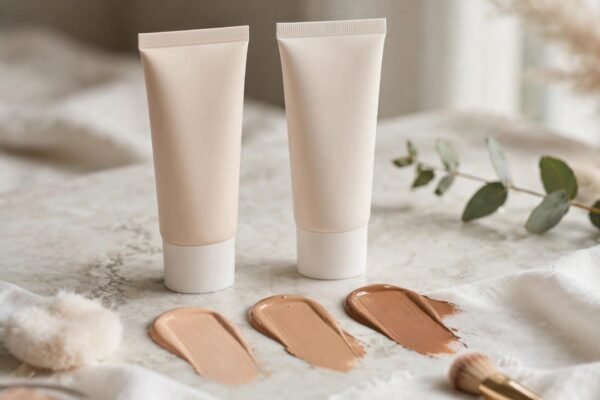
Mineral makeup (zinc oxide/titanium dioxide based) is the traditional rosacea recommendation, and for good reason: fewer ingredients mean fewer potential irritants, the minerals themselves are anti-inflammatory and provide natural sun protection (zinc is a physical UV blocker), and loose mineral powder doesn’t trap heat against the skin. The downside: it can look dry or cakey on mature or dry rosacea skin.
Liquid/cream foundations formulated for sensitive skin have closed the gap. Look for: fragrance-free, non-comedogenic, with calming ingredients (niacinamide, azelaic acid derivatives, green tea extract, allantoin). Silicone-based primers (dimethicone) create a barrier between skin and pigment that many rosacea patients tolerate well — dimethicone is one of the least irritating cosmetic ingredients in existence.
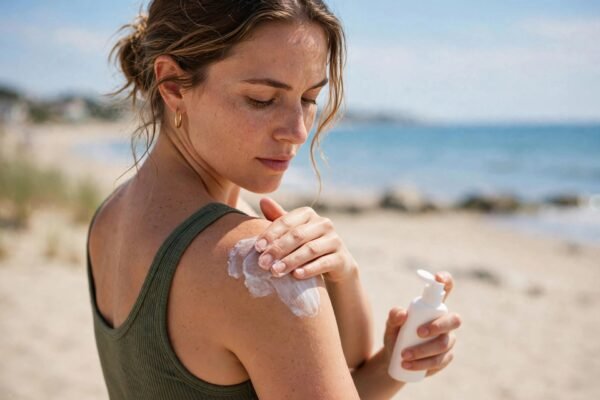
The American Academy of Dermatology’s rosacea guidance emphasizes that sun protection is non-negotiable — UV is the #1 rosacea trigger — so whatever base you choose should include or layer under SPF 30+.
Color Correction: The Rosacea Superpower
Green-tinted primers and color correctors neutralize redness through basic color theory (green cancels red). For rosacea, this means you can use less foundation overall — and less product means less irritation risk. Technique: apply a thin green primer only where redness lives (cheeks, nose, chin), let it set, then apply foundation over it. Yellow-toned correctors work for the purplish undereye/vein redness some rosacea patients get. The goal is neutralizing, not masking under layers.
Application Techniques That Prevent Flares
- Tools over fingers. Clean brushes or damp sponges apply with less friction than fingers. Wash tools weekly — bacterial buildup on brushes triggers papulopustular flares.
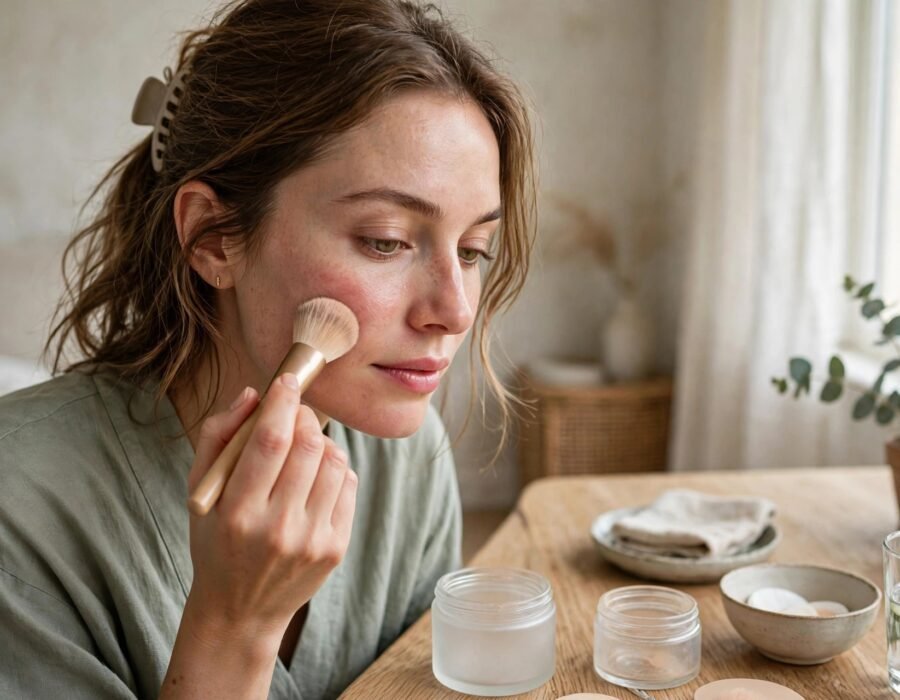
- Stipple, don’t drag. Pressing/stippling motions deposit product without the friction that provokes flushing. Dragging foundation across rosacea skin is asking for a flare.
- Less is more, layered thin. Two sheer layers beat one thick one — for coverage and for skin tolerance.
- Set strategically. A light mineral setting powder on the T-zone controls the shine rosacea skin often overproduces, without a full-face powder layer.
- Cool the skin first. Applying makeup to freshly flushed skin (post-shower, post-workout) bakes the redness in. Wait for skin to cool, or press a cool damp cloth to the face for a minute first.
Ingredients: The Yes/No List
Seek: niacinamide (reduces redness, strengthens barrier), zinc oxide/titanium dioxide (mineral SPF + anti-inflammatory), dimethicone (barrier, low irritation), ceramides, hyaluronic acid, azelaic acid (in treatment products), green tea extract.
Avoid: fragrance/parfum, denatured alcohol, witch hazel, menthol, camphor, eucalyptus oil, sodium lauryl sulfate, physical exfoliants, and high concentrations of glycolic acid or retinoids in products worn under makeup (use treatment actives at night, not under foundation).
Eye Makeup and Lips
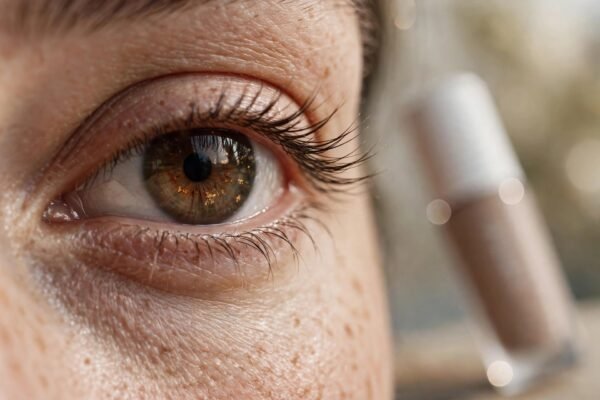
Ocular rosacea (gritty, irritated eyes — present in over half of rosacea patients) demands care: replace mascara every 3 months, avoid waterproof formulas (the removal tugs and irritates), skip eyeliner on the waterline, and remove eye makeup gently with fragrance-free micellar water rather than rubbing. For lips, rosacea doesn’t directly affect them, but perioral flares happen — keep lip products fragrance-free too.
The Rosacea Makeup Routine, Step by Step
Putting it all together — the full morning routine in order. Step 1: gentle cleanse. Lukewarm water only (hot water triggers flushing), fragrance-free cream or gel cleanser, pat dry — never rub. Step 2: calming skincare. A niacinamide serum or azelaic-acid treatment (if prescribed), then a barrier-supporting moisturizer with ceramides. Let each layer absorb for a minute — rushing causes pilling. Step 3: sunscreen. Mineral SPF 30+ is usually best tolerated; apply the full finger-length dose and wait 5 minutes. This is the step people skip and the step that matters most for rosacea. Step 4: green color corrector. Thin layer only on red zones (cheeks, nose, chin) — stipple with a damp sponge, don’t drag. Step 5: foundation. Mineral powder buffed in circular motions, or a sensitive-skin liquid stippled on — build in sheer layers, never one thick coat. Step 6: set selectively. Translucent mineral powder pressed (not swept) onto the T-zone only. Step 7: color. Cream blush in a neutral (not red) tone applied high on the cheekbones — away from the redness zones; powder bronzer sparingly. Step 8: eyes and lips. As described above — gentle, fragrance-free, waterproof mascara replaced quarterly. Step 9 (optional): setting spray. An alcohol-free calming mist locks everything without the drying effect of alcohol-based sprays. Total time once practiced: 10–12 minutes. The routine looks long written out, but each step is 60 seconds — and the payoff is coverage that lasts the workday without provoking the skin underneath. Keep a small touch-up kit (blotting papers, mineral powder compact) for midday, and remove everything gently at night with a fragrance-free cleansing balm followed by your regular cleanser — sleeping in makeup is a guaranteed flare.
Conclusion
Choosing makeup for rosacea-prone skin comes down to: mineral or sensitive-skin liquid bases, green color-correction to minimize product load, stippling application with clean tools, SPF always, and ruthless ingredient screening (fragrance and alcohol are the top offenders). Patch-test everything. And remember that makeup is camouflage, not treatment — persistent flares deserve a dermatologist, not a better foundation. For the photography side of looking your best, colors that photograph well can guide shade choices, and if stress is amplifying your flares, understanding the stress-skin connection addresses a trigger makeup can’t cover.
Frequently Asked Questions
What foundation is best for rosacea-prone skin?
Mineral foundations (zinc/titanium-based) or fragrance-free liquid foundations formulated for sensitive skin with calming ingredients like niacinamide. Always pair with SPF 30+, since UV is the top rosacea trigger.
Does green primer really help rosacea redness?
Yes — green neutralizes red applied over it, letting you use less foundation overall. Apply thinly only on red areas, let it set, then layer foundation on top.
Can makeup cause rosacea flare-ups?
The wrong makeup can. Top culprits: fragrance, denatured alcohol, menthol, and dirty applicators. Patch-test new products for 48 hours on the jawline before full-face use.
Should I avoid powder if I have rosacea?
Not necessarily — mineral setting powders are well-tolerated. But heavy full-face powder can look cakey on dry rosacea skin; set strategically (T-zone) rather than all over.
How often should I replace makeup with rosacea?
Mascara every 3 months; liquid foundation 6–12 months; powders up to 2 years. Wash brushes weekly — bacterial buildup is a documented flare trigger for papulopustular rosacea.
Sources: AAD rosacea guidance and the National Rosacea Society.