You’re thirsty all the time. You’re getting up to pee twice a night. That cut on your foot is taking forever to heal. Each symptom seems minor alone — together, they might be telling you something important. Diabetes affects 37 million Americans, and 1 in 5 doesn’t know they have it. The early signs of diabetes are easy to dismiss and dangerous to ignore, because high blood sugar quietly damages your body for years before diagnosis. Here’s what to watch for — and what to do if you recognize yourself in these signs.
Let me be clear about the stakes without being alarmist: early-detected diabetes is highly manageable. People diagnosed early, who act on it, live essentially normal lives. The tragedy is late detection — years of uncontrolled blood sugar damaging eyes, kidneys, nerves, and blood vessels silently. Every month of earlier detection matters. Knowing these signs is genuinely one of the most valuable health literacy investments you can make.
The Early Signs of Diabetes to Watch For
Excessive thirst and frequent urination. The classic pair, and the most common early signs. When blood sugar is high, your kidneys work overtime to filter it, pulling fluid from your tissues — making you thirsty — and producing excess urine. If you’re suddenly drinking far more water than usual and urinating frequently (especially waking multiple times nightly when you didn’t before), pay attention. This isn’t “I drank a lot of water” thirst; it’s unquenchable, persistent thirst.
Unexplained fatigue. Your cells aren’t getting glucose properly — either from insufficient insulin (Type 1) or insulin resistance (Type 2). The result is a deep, persistent tiredness that sleep doesn’t fix. If you’re exhausted despite adequate rest, and especially if combined with other signs here, get tested. (Our guide to persistent fatigue causes covers the broader differential.)
Increased hunger despite eating. Paradoxical but characteristic: you eat, but your cells are starving for glucose they can’t access. The result is hunger that doesn’t resolve normally — eating more, yet feeling unsatisfied, sometimes with weight loss despite increased eating (more typical in Type 1).
Slow-healing cuts and frequent infections. High blood sugar impairs immune function and circulation. Cuts that take weeks to heal, frequent skin infections, recurring urinary tract infections, or gum infections that won’t resolve — these are your body signaling impaired healing. Take them seriously.
Blurred vision. High blood sugar causes fluid shifts in the eye’s lens, distorting vision. Often fluctuating — blurry one day, clearer the next. Many people get new glasses prescriptions before discovering the real cause is blood sugar. If your vision changes without explanation, check your glucose, not just your eyes.
Tingling or numbness in hands and feet. Early nerve damage (neuropathy) from high blood sugar. Often starts as tingling in toes or fingers. This sign suggests blood sugar has been high for a while — don’t wait on this one.
Darkened skin patches. Acanthosis nigricans — velvety, dark patches typically on the neck, armpits, or groin — signals insulin resistance and often precedes Type 2 diabetes by years. It’s one of the earliest visible warnings, especially in younger people.
Unexplained weight loss. Despite eating normally or more, losing weight without trying — the body burning fat and muscle because it can’t access glucose. More characteristic of Type 1 but occurs in Type 2 as well.
Who’s at Risk (Get Screened Even Without Symptoms)
Don’t wait for symptoms if you’re high-risk. Get screened if you: are 35+ (the USPSTF recommends screening all adults 35-70 with overweight or obesity), have a family history of diabetes, had gestational diabetes, have high blood pressure or abnormal cholesterol, are physically inactive, or belong to higher-risk ethnic groups (African American, Hispanic/Latino, Native American, Asian American, Pacific Islander). Prediabetes — blood sugar high but not yet in the diabetic range — affects 96 million American adults, 80% of whom don’t know it. Prediabetes is reversible with lifestyle changes; diabetes is manageable but not reversible. The screening that catches prediabetes is among the highest-value tests in medicine.
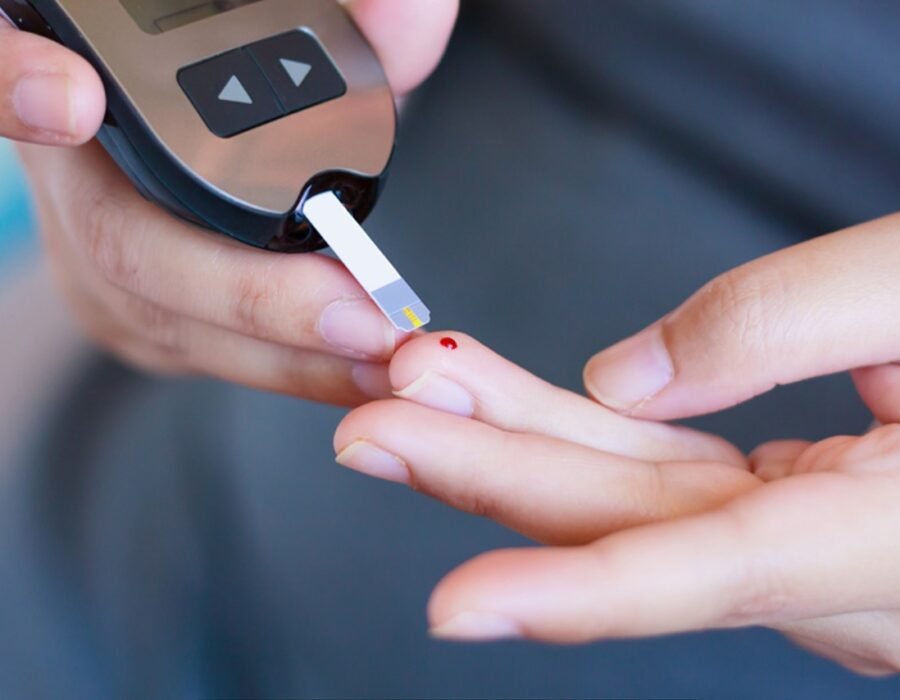
Screening is simple: a fasting glucose test, an A1C test (average blood sugar over 3 months — no fasting needed), or an oral glucose tolerance test. Often covered as preventive care. The National Institute of Diabetes and Digestive and Kidney Diseases provides comprehensive, trustworthy information on testing and what results mean.
If You Recognize These Signs: What to Do
Don’t panic, but don’t wait. See your doctor promptly — within days, not months, if you have multiple signs. Bring a list of your symptoms, when they started, and your risk factors. Ask specifically for diabetes screening (A1C plus fasting glucose). If cost is a concern, our guide to physical exam costs without insurance covers affordable options including sliding-scale clinics.
Know the emergency signs. Seek immediate care for: fruity-smelling breath with nausea and confusion (possible diabetic ketoacidosis — a medical emergency, mostly Type 1), or extreme thirst with confusion and very high blood sugar readings (hyperosmolar crisis — mostly Type 2). These are rare as first presentations but important to recognize.
If diagnosed: it’s manageable. Modern diabetes care — medications when needed, continuous glucose monitors, structured lifestyle programs — lets most people live full, healthy lives. The Diabetes Prevention Program showed lifestyle intervention cut Type 2 diabetes progression by 58% in high-risk adults. Early action is powerful. This isn’t a verdict; it’s a management plan.
Remember that screening is simple, cheap, and often covered as preventive care — there’s no good reason to wait for symptoms. If you’re due for a physical, ask for an A1C test; if you don’t have a regular doctor, community health centers offer affordable screening. Knowing your numbers is the first step, whether they bring reassurance or a call to action. Either outcome beats not knowing — and early knowledge is the most powerful diabetes tool that exists.
The Bottom Line
Watch for: unquenchable thirst, frequent urination (especially nighttime), unexplained fatigue, increased hunger, slow-healing wounds, blurred vision, tingling extremities, darkened skin patches, and unexplained weight loss. If you’re 35+ with risk factors, get screened even without symptoms — prediabetes is reversible, and catching it early changes everything. Screening is simple (A1C test, often covered as preventive care); the NIDDK has authoritative guidance on what results mean. Don’t wait for symptoms to become severe — knowing your numbers is the first step, whether they bring reassurance or a call to action. Either outcome beats not knowing. Get tested.